Confirm the exact route and equipment you need with each site and operator. A landmark’s accessible entrance does not establish access to every tour area.
Accessible travel in Rome starts with a precise route. An attraction can provide an accessible entrance while a particular guided tour still uses steps, uneven paths or a different exit. The useful question is therefore more specific than ‘Is the Vatican accessible?’ Ask whether the entire visit you intend to book works for your mobility, sensory and communication requirements, from the meeting point to the journey home.
Describe what you need before choosing a tour
Tell the operator which equipment you use and the conditions that matter to you: step-free access, chair dimensions, a place to sit, a slower walking pace, a quieter environment or a particular form of interpretation. Include whether you can transfer into a vehicle seat if transport is involved. There is no need to accept a vague ‘should be fine’ when a route or vehicle specification can answer the question.
Request confirmation of the actual itinerary in writing. Ask which areas are included, where assistance is available and what happens if a lift or route is unavailable. A private guide may offer more flexibility, but ‘private’ is not an accessibility certification. Use contact to discuss a specific experience before paying when its listing does not answer your requirements.
Vatican Museums: use the published accessible route
The Vatican Museums publish accessibility information and a route map. Their arrangements can differ from the route followed by a general tour, and some mobility equipment has specific restrictions. Check directly about your chair or scooter, any wheelchair loan requirements and the galleries you most want to see. Confirm these details before assuming you can remain with a standard group throughout the visit.
Ask how the chosen route reaches the Sistine Chapel and where it finishes. Also confirm accessible restrooms and any assistance needed along the way. For concessionary admission or a companion ticket, consult the Museums’ current eligibility and documentation requirements; a concession at another Italian attraction does not establish entitlement here. Guiding services may have separate charges even when site admission is reduced or free.
St. Peter’s Basilica is a separate access conversation
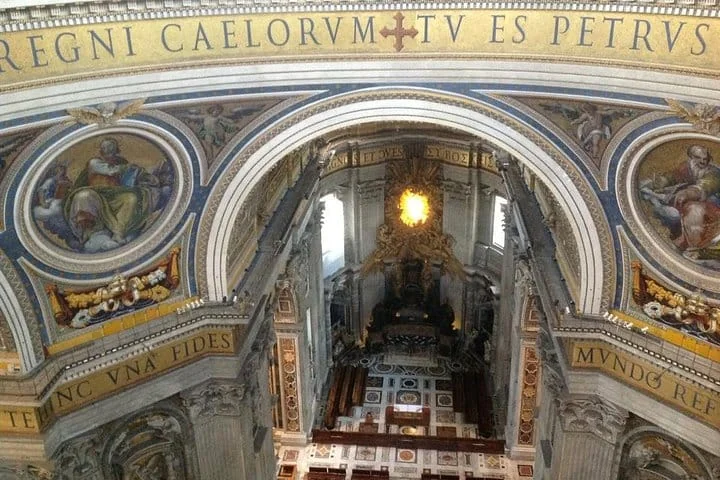
The Basilica describes a dedicated entrance for visitors with disabilities, with a ramped approach through security. Check its current directions and contact the Basilica if you need assistance. Religious services and crowd management can change how the surrounding square operates. Keep the official instructions available on your phone, alongside the details of any separately booked tour.
Do not treat accessible entry to the Basilica as confirmation that the dome or every additional visit is suitable. Ask about each booked area individually. Likewise, do not base your transfer from the Museums on an assumed internal shortcut. The guide to the three Vatican visits explains why the Museums, chapel and Basilica need distinct planning.
Colosseum, Forum and Palatine: one park, varied terrain
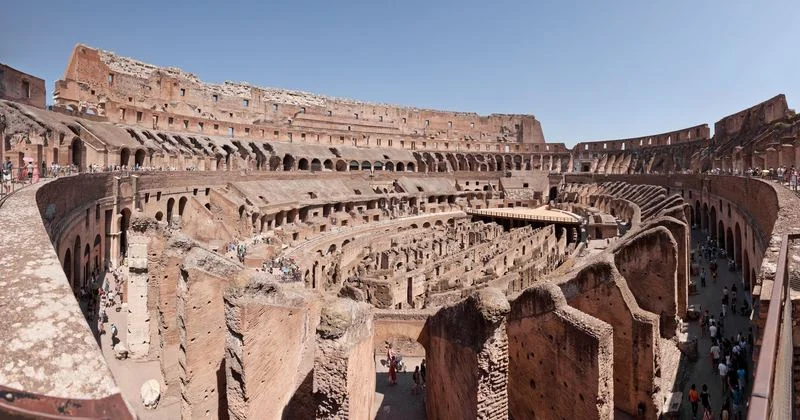
The archaeological park publishes information on accessible entrances, routes and services, including tactile resources. Consult that material for the areas you want to visit. The Colosseum’s public levels, a special-access route and the open archaeological areas are different propositions. A ticket that includes several sites does not mean every part offers the same surfaces, slopes or facilities.
For the Forum and Palatine, ask for the proposed path and its exit, not simply confirmation that an entrance is accessible. Historic surfaces and changes in level can affect comfort and the distance you can cover. For arena, underground or attic options, obtain area-specific confirmation from the operator or park. Choose the experience around the route that works for you, rather than paying for access you cannot use.
Transport: check the journey on the day
ATAC publishes accessibility information and current station status. Check the stations at both ends of a proposed journey, any interchange and the equipment you need. A route that appears suitable on a general map can be affected by equipment outages or assistance arrangements. Save an alternative before leaving, especially when travelling to a timed booking.
For a vehicle transfer, confirm whether you remain seated in your wheelchair or transfer to a passenger seat, the boarding equipment, usable space and securement arrangements. Ask where the driver can actually collect and drop off. Rome’s traffic restrictions and narrow streets can leave a final distance to cover. A standard private transfer should not be assumed to provide an adapted vehicle.
Build a day with usable pauses
Choose fewer geographically scattered commitments and identify places to sit, accessible toilets and a manageable return journey. Ask accommodation staff about the route from the building entrance to the street, including thresholds and lift dimensions where relevant. A short distance on the Rome map does not reveal kerbs, gradients, cobbles or temporary street works.
For sensory or communication needs, ask what formats and assistance are available rather than assuming a spoken group tour is the only choice. The official sites publish specialist services, and some require advance arrangements. Let those confirmed services shape the visit. This guide is a planning starting point; the current site and operator information should determine the final route, equipment and booking.
A few things to know.
Are the Vatican Museums wheelchair accessible?
Does Colosseum accessibility cover the underground too?
Can I rely on the Rome metro for a step-free journey?
Does a private tour include an accessible vehicle?
Sources & visitor information
Check the venue’s current information before booking. Opening times, access and ticket conditions can change.
Published by Rome Vatican Tours, part of Attractions4Us LLC. How we prepare our guides. Need help choosing a visit? Talk to our team.