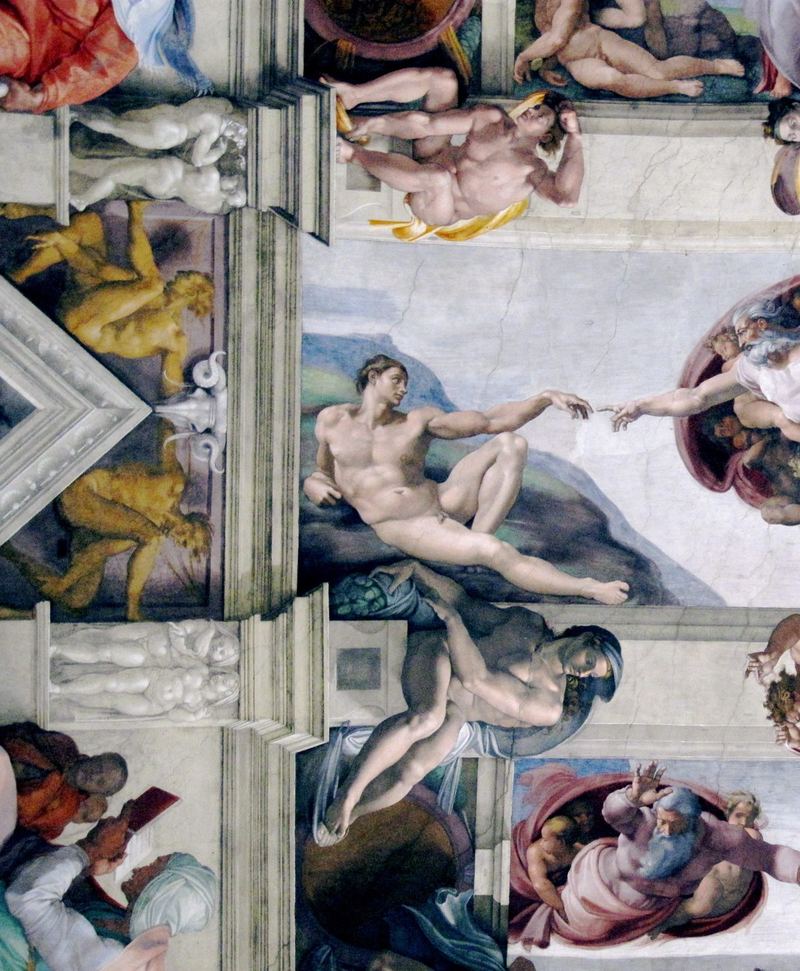
The Vatican Museums hold one of the richest art collections on Earth, ending in the single most famous room in the world: the Sistine Chapel. But this is also the most crowded ticketed attraction in Rome, and the difference between a transcendent morning and a sweaty, shuffling ordeal comes down almost entirely to how you plan your visit. This guide walks a first-time visitor through tickets, timed entry, hours, the dress code, the free-Sunday trap, and exactly what to see when your feet inevitably give out.
Why the Vatican Needs a Plan
Most of Rome rewards spontaneity. The Vatican does not. The museum complex stretches for kilometers of galleries, and the only way to reach the Sistine Chapel is to walk through a long, one-directional route packed with everyone else trying to do the same thing. On a busy day, walk-up lines along the Vatican walls can swallow well over an hour before you even reach security. Add the fact that the museums close on most Sundays, and a casual 'we'll go whenever' approach is how people end up missing it entirely.
The fix is simple: decide in advance what kind of visit you want, then lock in a time. Everything else flows from that one decision.
Timed Entry: The One Rule That Changes Everything
The Vatican Museums use timed-entry admission, meaning your ticket is tied to a specific 30-minute arrival window. This is the single most important thing to understand. A timed ticket lets you bypass the standing-in-line crowd and enter through the reserved-ticket lane at your appointed slot. Without one, you queue with everyone who didn't book.
Booking ahead does two things: it guarantees you get in on the day you want, and it protects your morning from being eaten by a line. If you want the most flexible, budget-friendly option, the Vatican Museums & Sistine Chapel Timed Entry Ticket (from $48.84) gives you a reserved slot and lets you explore at your own pace. Reserve the earliest morning window you can stomach, and treat the arrival time seriously, the lane is checked.
Tickets vs. Guided Tours: Which Fits You
There are three ways most visitors do the Vatican, and the right one depends on how much context you want and how you like to move.
A timed-entry ticket is ideal for independent travelers and repeat visitors who already know the highlights and want to wander freely. A guided tour adds an expert who decodes the symbolism, manages the route, and turns a beautiful-but-overwhelming maze into a story. If you want depth without the crowd-wrangling, the Private Vatican Museum Tour (from $463.43) keeps the focus on the galleries and Sistine Chapel with a guide who is yours alone.
For first-timers who want to see the Vatican and St. Peter's Basilica in one efficient morning, a combined option saves serious time and backtracking. The Skip-the-Line Vatican Museums & St. Peter's Private Tour (from $558.49) covers both landmarks with priority entry, so you are not re-queuing for the basilica afterward. Still weighing whether the whole thing earns its place on a packed itinerary? Our take on whether the Vatican is worth it makes the case either way.
Opening Hours and the Free-Sunday Trap
The Vatican Museums are generally open Monday through Saturday and closed on most Sundays, plus a handful of religious holidays. Because exact hours shift seasonally and on special occasions, always confirm the day's schedule when you book rather than trusting a number you read months earlier.
Here is the catch every guide should warn you about: admission is free on the last Sunday of each month, when the museums open for a limited window. It sounds like a gift, but there is no reservation system on free Sundays, which means no timed entry and no skip-the-line lane. Lines form before dawn and snake around the walls, and you lose far more in time and comfort than you save in euros. Unless standing in a multi-hour queue is genuinely worth it to you, pay for a timed ticket on a regular weekday and walk straight in.
The Dress Code (Don't Get Turned Away)
The Vatican enforces a modest dress code, and security can and does refuse entry to people who ignore it. The rule is straightforward: shoulders and knees must be covered for everyone, men and women alike. That means no tank tops, no short shorts, no bare midriffs, and no see-through items.
In Rome's summer heat this is a real planning point. Carry a light scarf or shawl you can drape over your shoulders, and pack a pair of longer shorts or a skirt that clears the knee. The same code applies inside St. Peter's Basilica, so if you are combining the two, dress for both before you leave the hotel. Getting turned away at the door after waiting for your slot is an avoidable heartbreak.
What to See, and What to Skip
The collection is enormous, and trying to see everything is the fastest way to ruin the day. First-timers should aim for the greatest hits and let the rest go. The Gallery of Maps, with its gilded ceiling and Renaissance cartography, is a corridor people remember for life. The Raphael Rooms, especially the School of Athens fresco, are essential and sit right before the chapel. The Pio-Clementino sculpture courtyard holds the Laocoön and the Apollo Belvedere, two of antiquity's most influential works.
What to skip when energy runs low: the deep ethnographic and modern wings, and the temptation to read every label. Move with intention toward the Sistine Chapel, which sits at the end of the route, so you reach it before fatigue sets in rather than after. If you are mapping the Vatican against the rest of the city, our broader things to know before visiting Rome covers pacing and crowd timing across the major sights.
Inside the Sistine Chapel
The Sistine Chapel is the emotional finale, and a few rules protect the experience. Photography is not allowed, and visitors are asked to keep silent, guards periodically remind the room with a firm 'silenzio.' Respect both; the hush is part of what makes the space extraordinary.
Look up for Michelangelo's ceiling, painted between 1508 and 1512, and study the altar wall for his later Last Judgment. Find a spot along the side benches if you can, tilt your head back, and give yourself a few unhurried minutes. It is the one room where rushing genuinely costs you something. When you exit, follow signs carefully: tour groups often use a shortcut passage that leads directly toward St. Peter's Basilica, which can save a long walk back through the museums.
Best Time to Go and Final Tips
Aim for the first entry slot of the morning or, as a strong alternative, the late afternoon a few hours before closing, both avoid the midday peak. Weekdays beat weekends, and Wednesday mornings can be quieter because crowds shift toward the Papal Audience in St. Peter's Square. Hydrate, wear comfortable shoes for the long galleries, and budget at least two and a half to three hours even for a focused visit.
Plan your route, book a timed ticket, dress for the dress code, and the Vatican transforms from a logistical headache into the highlight of your trip. If a guided experience appeals more than going solo, browse the full range of Rome and Vatican tours to match a visit to your pace, and if the Colosseum is next on your list, our skip-the-line Colosseum tickets guide applies the same time-saving logic to ancient Rome.
Frequently asked questions
Do I need to book Vatican Museums tickets in advance?+
When is the Vatican free, and is it worth it?+
What is the Vatican dress code?+
Can you take photos in the Sistine Chapel?+
How long does a Vatican Museums visit take?+
Are the Vatican Museums open on Sundays?+
Book These Tours
See Rome & the Vatican with a local guide
Skip-the-line Vatican & Colosseum tours, private Rome walks, day trips, and airport transfers — book online with instant confirmation.
Browse all Rome & Vatican tours →