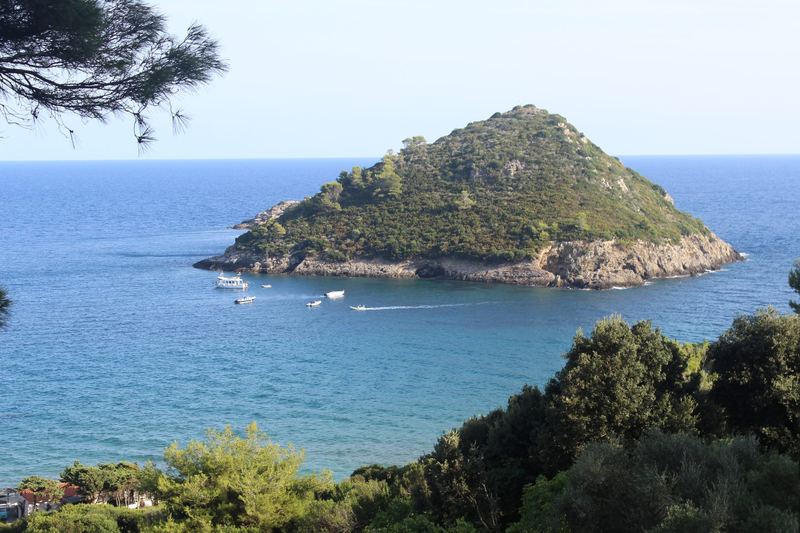
After a few days of basilicas, ruins, and espresso bars, the next chapter of an Italian trip often points south. The lemon-scented cliffs of the Amalfi Coast, the cafe terraces of Sorrento, and the pastel tiers of Positano are some of the most photographed places on earth, and they sit within a half-day of Rome. The question is not whether to go, but how to make the journey itself part of the holiday rather than the dull stretch in between.
This guide breaks down your realistic options for getting from Rome to Sorrento, Positano, and the wider Amalfi Coast: the train route, the private door-to-door transfer, and the hybrid approaches in between. It covers honest travel times, what each choice actually costs you in money and effort, and how to decide based on your group, your luggage, and how you want to feel when you arrive.
How far is the Amalfi Coast from Rome?
Rome to Sorrento is roughly 270 kilometers (about 170 miles), and the drive typically runs around three and a half to four hours depending on traffic on the A1 motorway and the winding approach along the Sorrentine Peninsula. Positano and the classic Amalfi Coast towns sit a little farther on, reached by the famous coastal road (the SS163), which is spectacular but slow, narrow, and prone to summer congestion. As a rule of thumb, plan on four to five hours of total travel to reach the heart of the coast. That single figure shapes every other decision, so it is worth anchoring your expectations there before you compare options.
Option 1: The train to Naples, then onward
The fastest scheduled link south is the high-speed train from Rome's Termini station to Naples, which covers the distance in a little over an hour. It is comfortable, affordable when booked ahead, and a genuinely pleasant ride. The catch is that the train only gets you to Naples; the Amalfi Coast has no direct rail line. From Naples you transfer to the regional Circumvesuviana train or the seasonal Campania Express to reach Sorrento (roughly another hour), and from Sorrento you continue to Positano and Amalfi by SITA bus or ferry.
For independent, budget-minded travelers who pack light, this works and keeps costs down. But be honest about the friction: you are changing stations and modes two or three times, often with luggage, on regional services that can be crowded in high season. If a connection slips, the rest of the chain wobbles. It is a fine adventure for confident rail travelers and a stressful one for families hauling suitcases.
Option 2: A private door-to-door transfer
The alternative is to be collected at your Rome hotel and driven straight to your destination. A Rome to Amalfi Coast private transfer or a transfer from Rome to Sorrento removes every connection from the equation: one vehicle, one driver, your bags loaded once and unloaded at the door. You travel on your own schedule rather than the timetable's, and you skip the queues at Naples entirely.
Because these transfers are priced per vehicle rather than per person, the math shifts heavily in favor of couples, families, and small groups who split the fare. What you are really buying is time and calm: comfortable seats, air conditioning in the summer heat, and a professional who knows the coastal road's rhythms. Many drivers will also pause at a panoramic viewpoint or let you grab a coffee, turning the transfer into a scenic drive instead of a transit slog. For first-time visitors who want the trip to start the moment they leave Rome, this is the most frictionless way to do it.
Train vs. private transfer: how to choose
The decision usually comes down to four honest questions. How many of you are traveling? Two people watching a budget may find the train compelling; four people split the cost of a private vehicle into something very reasonable. How much luggage do you have? Multiple suitcases plus the Circumvesuviana is a recipe for sweat and stress. How much do you value certainty? A transfer is a fixed, guaranteed arrival; the train chain has more moving parts. And how do you want to feel on arrival, fresh and ready for an Aperol on a terrace, or relieved to have finally made it?
There is no universally right answer. The train rewards flexibility and frugality; the private transfer rewards comfort, time, and peace of mind. If your trip already leans toward private, guided experiences, like a VIP private walking tour of Rome before you head south, the transfer simply keeps that standard consistent across your whole itinerary.
Make the journey count: stops along the way
One underrated advantage of a private transfer is the chance to break the drive with a meaningful stop. The route south passes within reach of Pompeii, and many travelers turn the transfer day into a half-day of ancient history before checking into their coastal hotel. If ruins are high on your list, our Rome to Pompeii day trip guide explains how to fold the site into your plans, and a dedicated day trip from Rome to Pompeii is an option if you would rather make Pompeii its own outing. A short pause for a coastal lunch or a viewpoint photo also costs little time and transforms the experience from a transfer into a travel day worth remembering.
Practical tips for a smooth trip south
Travel light if you can; the coast's stepped streets and small hotels are not built for oversized luggage. Book any train tickets in advance for the best high-speed fares, and reserve a private transfer ahead in summer when demand peaks. If your dates fall in July or August, expect heavier traffic on the coastal road and build in a buffer. The shoulder seasons of spring and early autumn are gentler on both crowds and temperatures; our guide to the best time to visit Rome applies just as well to the south.
Confirm your pickup details and a phone contact the day before you travel, keep some cash on hand for coastal cafes and ferries, and dress in layers for air-conditioned vehicles and sun-baked terraces alike. Most importantly, decide your priorities before you go: the Amalfi Coast rewards a slow, savoring pace, so leaving a little margin in your schedule is the surest way to enjoy it.
Planning the rest of your Italian itinerary
A southern escape pairs beautifully with a few well-spent days in the capital first. If you are still shaping your Rome time, our three days in Rome itinerary and overview of the best day trips from Rome will help you balance city and coast. And if your trip also involves a cruise, the same door-to-door logic powers our Civitavecchia cruise port shore excursion advice. When you are ready to lock in a transfer or have questions about timing your specific dates, reach out through our contact page and we will help you build a seamless journey south. You can also browse every option in our full tours collection.
Frequently asked questions
How long does it take to get from Rome to the Amalfi Coast?+
Is there a direct train from Rome to the Amalfi Coast?+
Is a private transfer or the train better for the Amalfi Coast?+
Can I stop at Pompeii on the way to the Amalfi Coast?+
When is the best time to travel from Rome to the Amalfi Coast?+
How much luggage can I bring on a private transfer?+
Book These Tours
See Rome & the Vatican with a local guide
Skip-the-line Vatican & Colosseum tours, private Rome walks, day trips, and airport transfers — book online with instant confirmation.
Browse all Rome & Vatican tours →