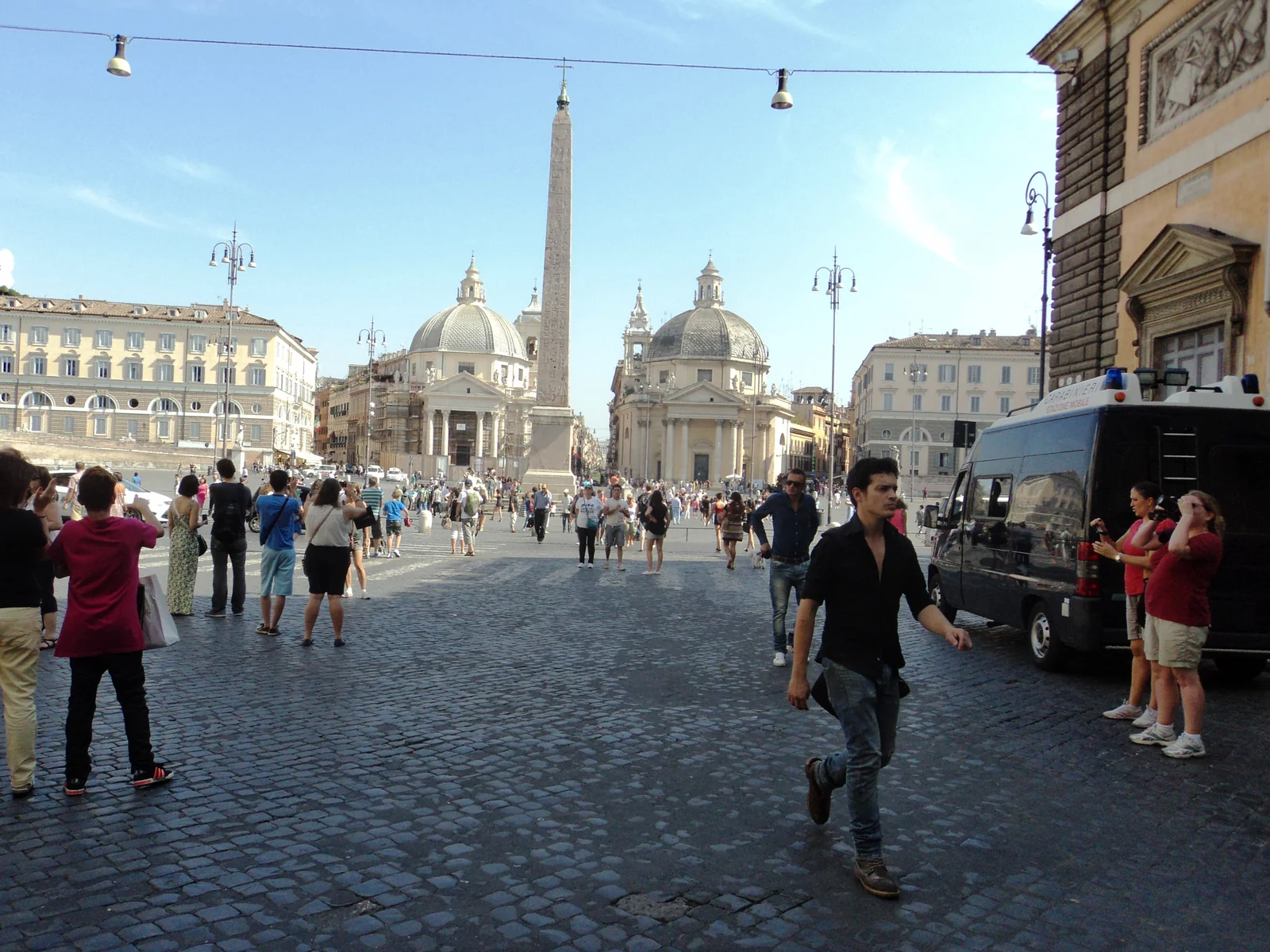
Choose one major booked visit a day, then leave room for food, open space and whatever catches your children’s attention.
A good family day in Rome has an ending you can change. Book the one place everyone is excited about, then leave the rest flexible enough for a long lunch, a park stop or a return to your room. The city is full of things children notice without a guidebook: animals carved into fountains, enormous doors, ancient columns beside modern traffic. You do not need to turn every one of them into a lesson.
Start with age, interests and the shortest attention span
A teenager interested in Roman history may want the Forum and Palatine as much as the Colosseum. A younger child may be satisfied by the amphitheatre and a good story about how it worked. Before choosing a tour, tell the operator the children’s ages and ask how much uninterrupted walking and listening the route involves. A child rate does not necessarily mean the itinerary is designed for children.
Compare the total duration, not just time inside the main landmark. Check whether the group continues through another site after the stop your children care about. A shorter route with a guide who welcomes questions can be a better purchase than a longer list of inclusions. Keep each child’s real interests in the decision, including the possibility that art or archaeology is not their priority this time.
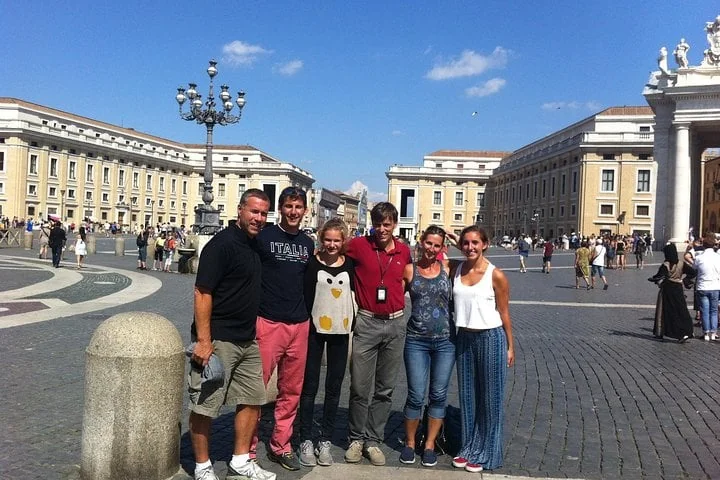
The Vatican Museums: choose a few things to notice
Pick two or three highlights before entering: perhaps the maps, a sculpture and the Sistine Chapel. This gives the visit a shape without asking children to appreciate every room. Explain that the chapel is a quiet space where photography is prohibited, and do the talking about Michelangelo beforehand. Avoid making a long gallery walk the price they must pay for something fun later.
The Museums welcome families with strollers and publish information about family facilities, lifts and changing areas. Consult their map and ask staff about a suitable route. A stroller does not make every corridor easy when crowds build, and leaving a main route may require staff directions. Pack the day’s essentials compactly and check current bag and food rules before arriving.
The Colosseum: a clear story, a manageable route
The amphitheatre has an immediate advantage for children: its shape is easy to understand. Begin with the crowd, the entrances and the scale of the building. Let questions set the level of detail, especially around violent spectacles. There is no need to add underground or arena access unless the family actually wants that particular experience and the route suits everyone.
The Forum and Palatine add terrain and time. If you include them, plan for surfaces and slopes rather than assuming the walk resembles a modern museum. Confirm stroller arrangements with the operator for the exact itinerary. Check age-based ticket requirements and identification before booking; free or reduced admission at a monument does not automatically mean a commercial guide or transport service is free.
Stroller or carrier? Think beyond the attraction
The decision depends on your child, the day’s route and what you can comfortably manage. A stroller offers a rest but adds a challenge on cobbles, steps and narrow pavements. A carrier keeps your hands freer but can be tiring and hot. If you use either, consider the whole journey from accommodation to the meeting point, through the site and back again.
Build a practical bag around water, permitted snacks, weather layers and anything your child needs regularly. Keep it light enough to carry if storage is required. Locate toilets before the urgent moment, and remember that a bathroom break can mean leaving the group’s immediate route. Ask a guide how pauses are handled instead of assuming that a shared departure can stop whenever needed.
Make the middle of the day easy
Put lunch near the end of the morning visit rather than across town. Pizza by the slice can make a flexible meal, while a seated restaurant offers a longer rest; choose according to the day rather than a rigid dining plan. For allergies, explain the requirement clearly and ask the restaurant about ingredients and preparation. A familiar dish name is not a safety check.
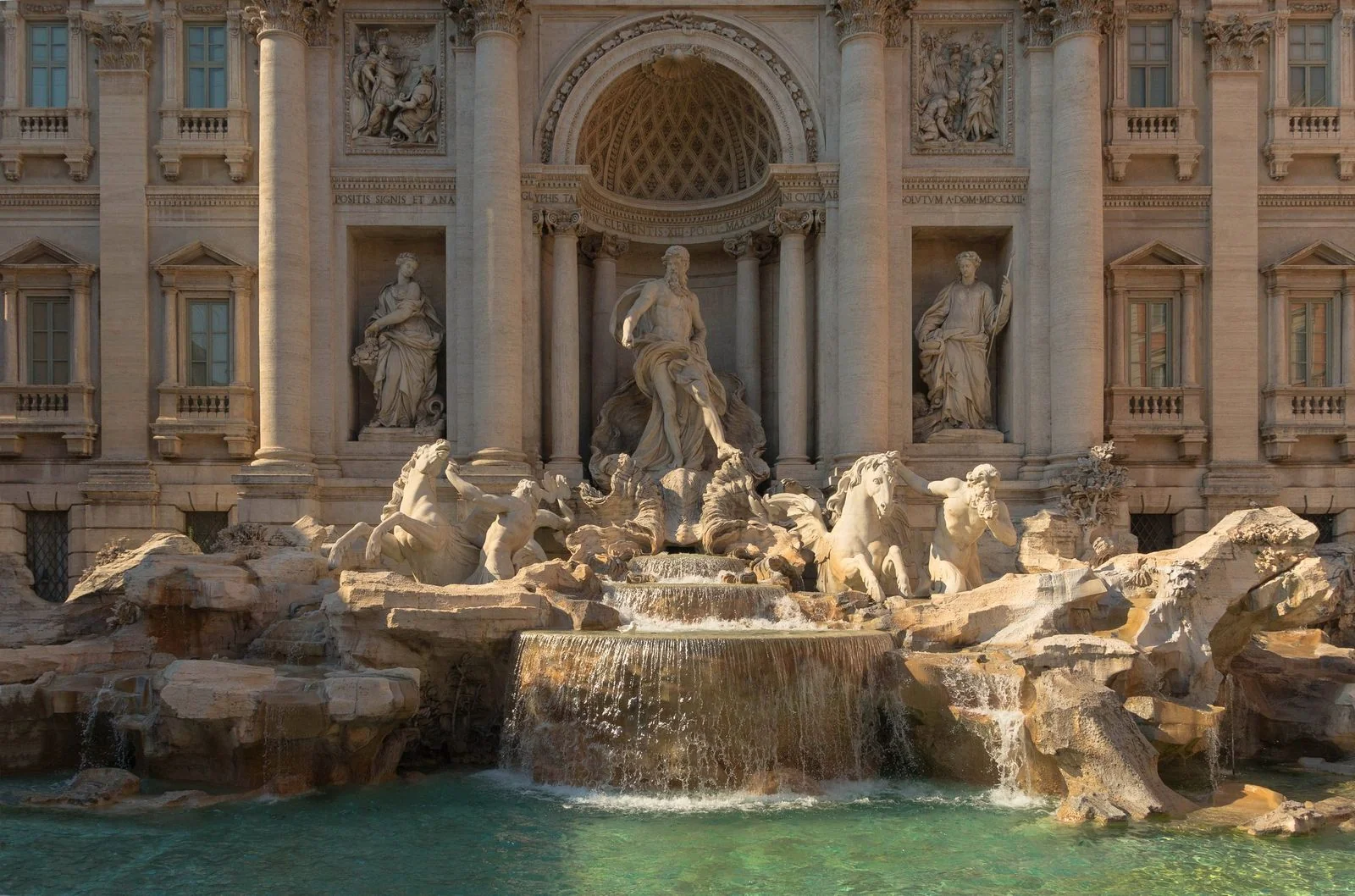
After lunch, choose open space or a short neighbourhood walk. Villa Borghese can give a day a different rhythm from galleries and ruins, but look at the actual route there before adding it. In hot weather, rest at your accommodation may be more useful than another stop. Keep fountains and piazzas optional, respecting barriers and local rules rather than treating monument edges as playgrounds.
Choosing a family-friendly booking
- Share ages and interests before booking; ask whether the guide regularly works with that age range.
- Confirm duration, toilets, stroller access, walking terrain and the end point.
- Check every child’s ticket requirements and the booking’s cancellation terms.
- For transfers, request the correct child restraints and confirm them with the operator.
Browse Rome walking tours or Vatican tours with those questions in mind. A private booking may allow a more adaptable pace, but the sites’ rules still apply. Leave one unbooked part of every day. That is often where a family finds its own Rome, whether it turns out to be a particular fountain, a tiny shop or the same gelato counter twice.
A few things to know.
Are the Vatican Museums suitable for children?
Can I take a stroller to the Vatican Museums?
Should families do the Vatican and Colosseum on the same day?
Are children’s tours free when monument admission is free?
Sources & visitor information
Check the venue’s current information before booking. Opening times, access and ticket conditions can change.
Published by Rome Vatican Tours, part of Attractions4Us LLC. How we prepare our guides. Need help choosing a visit? Talk to our team.